

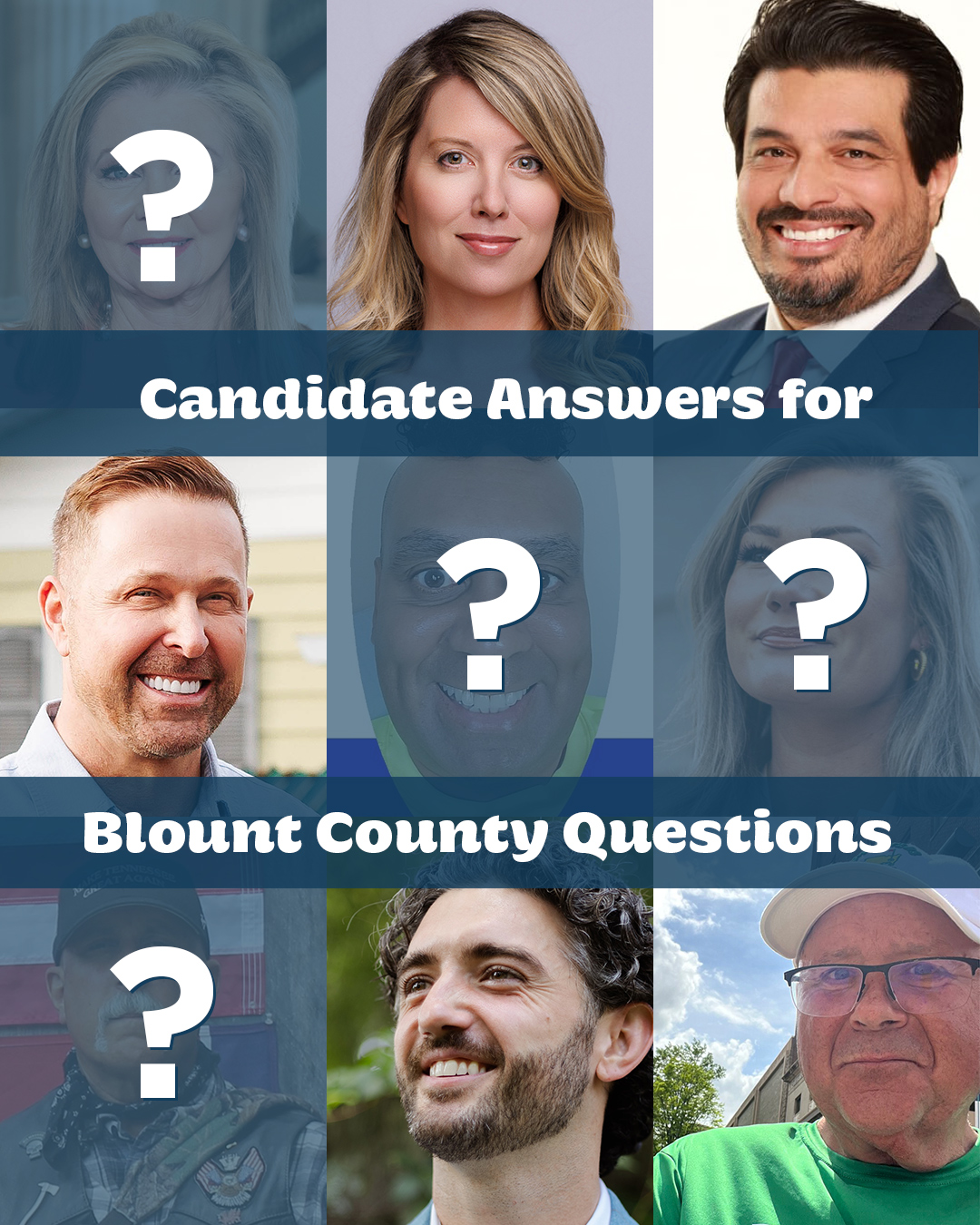
Let’s Be Blount recently sent a questionnaire to 9 of the 15 gubernatorial candidates that will appear on our ballots in November. There were no published email addresses for the remaining six candidates. Out of the nine that we contacted, five responded. The questions below are based on a recent poll of our readers to understand what were the most important issues for you during this race. The candidates’ answers are published below verbatim. The candidates are listed below in alphabetical order.
Q1. What are the three most important things you intend to accomplish in your first year as governor, and how will Tennesseans be able to measure whether you succeeded?
Q2. School vouchers. Tennessee’s Education Freedom Scholarship program, which began in 2025, uses state money for private-school tuition. Would you expand it, keep it as it is, scale it back or repeal it? How would you make sure Blount County’s three public school systems (Blount County, Maryville City and Alcoa City) are not harmed financially, and what results would tell you whether the program is working?
Q3. Housing. Blount County is one of the fastest-growing counties in East Tennessee, and many younger adults who grew up here can no longer afford to buy, or even rent, a home in the county. What specific state actions would you take to increase the supply of homes that young workers and families can afford, and what role should the state play in local zoning, impact fees and short-term rentals?
Q4. Cost of living. Beyond housing, younger Tennesseans point to groceries, child care, utilities and insurance as the costs squeezing them hardest. Name the two or three state-level changes you would make first to bring those costs down, including whether you would cut the state sales tax on groceries, and explain how you would pay for them.
Q5. Data centers. Data centers are being proposed across Tennessee. Supporters point to investment and tax revenue; opponents point to electricity and water demand, noise, and the cost of new power generation. Should the state offer incentives to attract them? What rules, if any, would you set on their power and water use, on who pays for the generation and transmission they require, and on local governments’ authority to approve or reject them?
Q6. Abortion. Tennessee bans nearly all abortions. Would you support any change to the current law, such as added exceptions, further restrictions, or no change at all? Please state your position plainly.
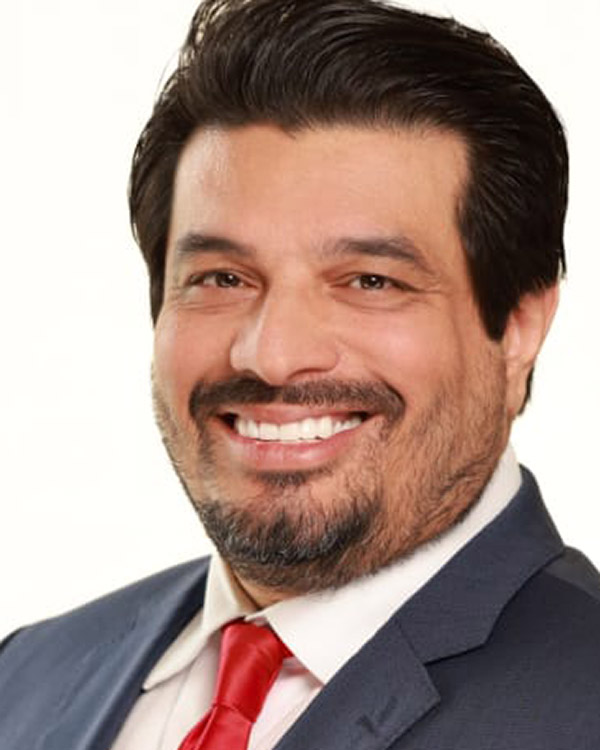
Q1. What are the three most important things you intend to accomplish in your first year as governor, and how will Tennesseans be able to measure whether you succeeded?
My first-year priorities would be launching the Tennessee Skills Guarantee, increasing attainable housing, and advancing the elimination of the state grocery tax. These serve one purpose: helping people build a stable life through their own work. I would connect schools and employers through certifications and paid apprenticeships, support starter-home construction through trades training and faster permitting, and present a funded grocery-tax repeal proposal. Tennesseans could measure progress through credentials earned, job placements and wages, homes permitted and completed, and grocery-tax relief delivered. I would publish the starting numbers, spending, and results. Government should empower people, and its success should be visible in their lives.
Q2. School vouchers. Tennessee’s Education Freedom Scholarship program, which began in 2025, uses state money for private-school tuition. Would you expand it, keep it as it is, scale it back or repeal it? How would you make sure Blount County’s three public school systems (Blount County, Maryville City and Alcoa City) are not harmed financially, and what results would tell you whether the program is working?
I would keep school choice while reforming the program around local realities, with expansion dependent on demonstrated results. A voucher offers little freedom if there is no nearby school, remaining tuition is unaffordable, or a school cannot meet a child’s needs. Where meaningful alternatives exist, families should have access. Where they do not, we should invest more deeply in public-school teachers, tutoring, technology, and practical career pathways. I would seek funding safeguards for Blount County, Maryville City, and Alcoa City that protect essential services and account for rising costs. Publicly funded schools should demonstrate learning gains, financial accountability, and meaningful access. Enrollment alone does not establish success.
Q3. Housing. Blount County is one of the fastest-growing counties in East Tennessee, and many younger adults who grew up here can no longer afford to buy, or even rent, a home in the county. What specific state actions would you take to increase the supply of homes that young workers and families can afford, and what role should the state play in local zoning, impact fees and short-term rentals?
I begin by asking why a working person can no longer afford a home where they grew up. We need more homes and a less costly path to building them. I would support starter and modular homes, train more construction workers, and tie state infrastructure assistance to attainable housing. A Tennessee First Home Account would help families build savings toward ownership. Local governments should retain zoning authority, while the state encourages predictable permitting and practical housing options near jobs. Impact fees should reflect actual infrastructure costs. Communities should also retain authority to regulate short-term rentals where they displace year-round residents. More housing should create opportunity for local people.
Q4. Cost of living. Beyond housing, younger Tennesseans point to groceries, child care, utilities and insurance as the costs squeezing them hardest. Name the two or three state-level changes you would make first to bring those costs down, including whether you would cut the state sales tax on groceries, and explain how you would pay for them.
I support eliminating the state sales tax on basic household groceries. Taxation is a tool; the people are the purpose. I would also pursue health-insurance reinsurance to help lower premiums and work with utilities to prevent large industrial projects from shifting their infrastructure costs onto households. Grocery-tax repeal needs a published, recurring funding plan built around spending discipline, restructuring ineffective incentives, and sustainable revenues, while protecting essential services. Reinsurance should combine available federal funding with a defined state contribution. My proposed Tennessee Wealth Fund is a longer-term strategy for building public assets; uncertain future returns should not be used to promise immediate relief.
Q5. Data centers. Data centers are being proposed across Tennessee. Supporters point to investment and tax revenue; opponents point to electricity and water demand, noise, and the cost of new power generation. Should the state offer incentives to attract them? What rules, if any, would you set on their power and water use, on who pays for the generation and transmission they require, and on local governments’ authority to approve or reject them?
I support technology that creates shared prosperity. Incentives should depend on verified public benefits, enforceable commitments, and repayment provisions when promises are broken. I would work with utilities and local governments to ensure developers pay project-specific generation, transmission, and water costs attributable to their facilities. Communities deserve public energy and water reporting, conservation requirements, drought protections, noise limits, and authority to approve or reject sites. I would also explore smaller computing nodes in homes and businesses, where technically practical, with residents sharing revenue. An AI Prosperity Fund could help communities participate in the wealth they help create. Innovation should strengthen the people who host it.
Q6. Abortion. Tennessee bans nearly all abortions. Would you support any change to the current law, such as added exceptions, further restrictions, or no change at all? Please state your position plainly.
I am pro-life and I am Pro-choice as well–intelligence looks at the situation at hand, and I believe a truly pro-life government must be pro-mother, pro-child, and pro-family. I support changing the law to provide clear exceptions for serious medical emergencies, rape, incest, and pregnancies that cannot result in a viable birth, with clear protections for physicians providing lawful care. We must also respect women’s circumstances and provide voluntary counseling, education, prenatal care, and practical financial and family support so choosing life feels secure and supported. Government’s responsibility continues after birth. Mothers and children need a real foundation for a healthy future. This issue deserves humility, compassion, and clear law.

Q1. What are the three most important things you intend to accomplish in your first year as governor, and how will Tennesseans be able to measure whether you succeeded?
In my first year as governor, my top three priorities will be:
1. Fully funding our public schools and stopping voucher scams: We will put public dollars back in our public school classrooms where they belong, so that local districts have the resources they need to give our kids every opportunity at a successful future. Success will be measured by fully funded classrooms, raised teacher pay, and zero public dollars diverted into private school vouchers.
2. Expanding Medicaid to protect healthcare access: We will utilize our federal tax dollars that Tennessee has left sitting on the table, to keep rural hospitals open and lower healthcare costs. We will also scale our successful local model statewide to cancel millions in predatory medical debt for working families. Success will be measured by signed expansion and the stabilization of our rural healthcare infrastructure, and expanded access to healthcare for everyday Tennesseans.
3. Providing immediate cost-of-living relief: We will freeze the regressive gas tax and eliminate the grocery tax while making corporations pay their fair share. Success will be measured by the real, tangible relief that Tennesseans feel at the pump and in the grocery store checkout line.
Q2. School vouchers. Tennessee’s Education Freedom Scholarship program, which began in 2025, uses state money for private-school tuition. Would you expand it, keep it as it is, scale it back or repeal it? How would you make sure Blount County’s three public school systems (Blount County, Maryville City and Alcoa City) are not harmed financially, and what results would tell you whether the program is working?
I would completely repeal the voucher program. Diverting public tax dollars to private school tuition starves local public school systems, like Blount County, Maryville City, and Alcoa City, of the critical resources they rely on to serve every child, especially in rural and working-class communities.
The only way to guarantee Blount County’s schools aren’t harmed financially is to stop draining their funding. Public funds belong in public schools for the public good, period. We will know our schools are working when class sizes shrink, teachers are paid what they’re worth, and every child has access to a world-class education right in their neighborhood, regardless of their zip code or income level.
Q3. Housing. Blount County is one of the fastest-growing counties in East Tennessee, and many younger adults who grew up here can no longer afford to buy, or even rent, a home in the county. What specific state actions would you take to increase the supply of homes that young workers and families can afford, and what role should the state play in local zoning, impact fees and short-term rentals?
Growth shouldn’t mean pricing lifelong Tennesseans out of their hometowns. To tackle the housing crisis, the state needs to invest heavily in workforce and starter-home development, partner with local land banks, and provide down-payment assistance programs for first-time home buyers and young families.
On local governance, I believe decisions about zoning, impact fees, and short-term rentals are best made by local communities who actually know their own neighborhoods, not by politicians in Nashville overriding local control.
The state’s role should be providing financial tools and infrastructure support to help local leaders build affordable housing, not issuing top-down mandates.
Q4. Cost of living. Beyond housing, younger Tennesseans point to groceries, child care, utilities and insurance as the costs squeezing them hardest. Name the two or three state-level changes you would make first to bring those costs down, including whether you would cut the state sales tax on groceries, and explain how you would pay for them.
Working families are being squeezed from every direction while corporations rake in record profits. We will eliminate the state sales tax on groceries and freeze the regressive gas tax to give families immediate relief at the store and the pump.
Second, I have a Day One plan to invest $50 million of TANF(Tennessee Assistance for Needy Families) funding to clear the childcare waiting list. We must invest in state-backed support for affordable child care so parents aren’t forced to choose between working and paying for care.
We will pay for these essential investments by tapping existing funding, and by thinking outside the box, rolling back corporate tax loopholes and making sure out-of-state special interests and major corporations finally pay their fair share, rather than balancing the budget on the backs of working Tennesseans.
Q5. Data centers. Data centers are being proposed across Tennessee. Supporters point to investment and tax revenue; opponents point to electricity and water demand, noise, and the cost of new power generation. Should the state offer incentives to attract them? What rules, if any, would you set on their power and water use, on who pays for the generation and transmission they require, and on local governments’ authority to approve or reject them?
We should not be handing out state tax incentives to massive data centers that put an unsustainable strain on our water resources, overwhelm our power grid, and drive up utility bills for everyday families. The state must set strict guardrails on water and electricity consumption, and require that tech corporations, not everyday ratepayers, pay 100% of the cost for the new generation and transmission infrastructure they demand.
Local governments must retain absolute authority to approve or reject these projects. Local communities know best what their natural resources and infrastructure can handle; Nashville should never strip away local zoning power to appease out-of-state tech giants.
Q6. Abortion. Tennessee bans nearly all abortions. Would you support any change to the current law, such as added exceptions, further restrictions, or no change at all? Please state your position plainly.
I support changing the current law. Tennessee’s near-total abortion ban is extreme, dangerous, and puts women’s lives at risk. Healthcare decisions, especially complex and deeply personal ones involving reproductive freedom, belong between a patient, their family, and their doctor, not politicians in Nashville. I support restoring bodily autonomy and adding fundamental exceptions to protect the health and life of mothers and children.
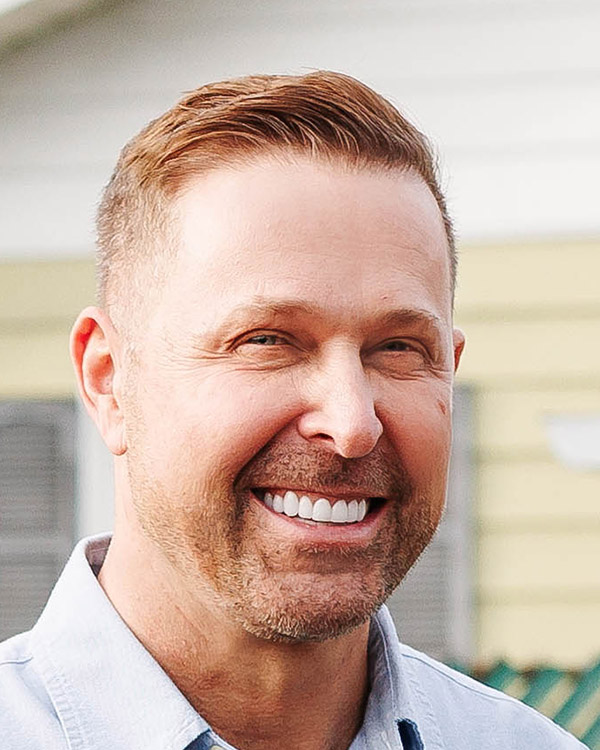
Q1. What are the three most important things you intend to accomplish in your first year as governor, and how will Tennesseans be able to measure whether you succeeded?
1. Protect our communities from the resource drain of AI data centers. We cannot keep giving the equivalency of blank checks to multi-billion-dollar tech companies who are interested in taking all of our energy, water, and land resources. We need leadership who will be stewards and protectors of our communities, not gateways for greedy Fortune 500 companies to take take take.
2. We need to increase transparency and accountability to ensure Tennesseans are shielded from waste, fraud, and abuse. Every dollar spent needs to be easily accessible via a spending portal that all Tennesseans can access. We need to create an independent State Auditor position who can take on the insiders and the special interests. We need to ban state contractors from making donations to state officials.
3. We need to get back to basics and return focus to kitchen table issues, not headline grabbing hysterics that won’t move the needle in a meaningful way. That means fighting for a Parents Bill of Rights, significantly reducing illiteracy, improving rural access to healthcare, investing in mental health and addiction recovery, expanding access to affordable childcare, and making starter homes more accessible to first-time home buyers. We need to pave the way for the next generation to have a realistic shot at reaching the American dream.
Q2. School vouchers. Tennessee’s Education Freedom Scholarship program, which began in 2025, uses state money for private-school tuition. Would you expand it, keep it as it is, scale it back or repeal it? How would you make sure Blount County’s three public school systems (Blount County, Maryville City and Alcoa City) are not harmed financially, and what results would tell you whether the program is working?
I plan to freeze the school voucher program exactly where it’s at until we figure out if this thing’s working. I don’t think it’s working. I think there are way too many issues with it. I see. I’ve talked to teachers in the county school system. They haven’t even seen a school voucher up this way. These things are in all the urban areas. We’re not getting them in the rural areas, but we’re paying for them as Tennesseans. I’ve seen this program work successfully in other states, but I don’t think it’s working in Tennessee right now. We need to get the school voucher program cleaned up and focus on putting money toward public education. The education system is the biggest piece of work that we need right now, and I believe we better take it serious. We’re going to wake up one day, and we’re going to figure out Tennessee’s way behind, because if we don’t have kids that are graduating, that are successful, then that’s on us.
Q3. Housing. Blount County is one of the fastest-growing counties in East Tennessee, and many younger adults who grew up here can no longer afford to buy, or even rent, a home in the county. What specific state actions would you take to increase the supply of homes that young workers and families can afford, and what role should the state play in local zoning, impact fees and short-term rentals?
Tennessee is roughly 120,000 starter homes short right now. The costs that kill a starter home are mostly fixed. Infrastructure requirements and permitting delays add up to 25% to the price of a new starter home — and they cost a developer about the same whether he builds 1,400 square feet or 4,000. So he builds 4,000. That’s not greed. That’s arithmetic. I would change the arithmetic two ways. Infrastructure grants with conditions. The state helps pay for the water, sewer, and road work a city would otherwise push onto the developer. In exchange, the community agrees to set aside 5 to 10% of every new development for homes priced at $250,000 or less, and to move inspections and approvals faster to avoid long, drawn-out, and expensive new developments. Cities get the infrastructure they need. Developers stop paying for it. Working families get houses they can actually buy. Roll back the code changes that priced people out. Tennessee has adopted pieces of the international energy and electrical codes that add real cost to every new home without making it meaningfully safer. Tennessee should decide how Tennessee builds, not politics from DC.
Q4. Cost of living. Beyond housing, younger Tennesseans point to groceries, child care, utilities and insurance as the costs squeezing them hardest. Name the two or three state-level changes you would make first to bring those costs down, including whether you would cut the state sales tax on groceries, and explain how you would pay for them.
Our growth doesn’t do anybody any good if it comes with a price tag that only the top 1% can afford. Long term Infrastructure planning needs to be a priority. TDOT has a $58 billion backlog of projects, some of them 30 years old. The agency operates pay-as-you-go, meaning a road project that could be finished in four years gets sliced into pieces and stretched across fifteen as cash trickles in. Construction costs are rising 6 to 8 percent a year. I am running on four principles for how we invest in infrastructure: Build for the Tennessee we’re becoming, not the Tennessee we were. Plans tied to actual population projections, corridor by corridor, 25 years out. Spend the taxpayers’ dollar like it’s my own. Faster delivery, lower cost per project, accountability when projects slip. Pay our own way, fairly. Everyone who uses the roads helps pay for them — but nobody gets punished for the kind of car they drive. Build for resilience. Floods, ice storms, and tornadoes hit our infrastructure every year. We design and rebuild assuming that continues. In my first 90 days as governor, I will appoint a committee of expert engineers, logistics professionals, urban planners, and rural transportation leaders, people who have actually built things, to draft a realistic, innovative, buildable, 25-year transportation plan tied to county-by-county population projections.
Q5. Data centers. Data centers are being proposed across Tennessee. Supporters point to investment and tax revenue; opponents point to electricity and water demand, noise, and the cost of new power generation. Should the state offer incentives to attract them? What rules, if any, would you set on their power and water use, on who pays for the generation and transmission they require, and on local governments’ authority to approve or reject them?
What’s happening right now with data centers is a good example of how our political leaders were so eager to cash their checks and accept their promises on face value, that they didn’t even stop to think about the consequences of putting 60 data centers around the state would have on the people who live near them. I would pause new approvals until Tennessee writes real rules, and ends the giveaways: no PILOTs, no abatements. At least half the new tax revenue a data center generates would go directly to cutting property taxes for homeowners in the county hosting it.
As Governor, I will address the publics concerns about indefinite storage, undisclosed sharing or sale, hidden uses, and abuse of flock cameras and other surveillance technology. I will order an immediate moratorium on flock cameras and data centers and act to cancel contracts as legally permitted, stop state funding for local networks, require deletion of retained data, and enact stiff penalties for misuse.
Cities and counties should not receive state support for a surveillance network the state has determined threatens fundamental freedom. Bottom line, Tennessee do not have to choose between effective policing and individual liberty. My plan preserves targeted investigations while rejecting permanent tracking of everyone in the hope that the information may become useful later.
Q6. Abortion. Tennessee bans nearly all abortions. Would you support any change to the current law, such as added exceptions, further restrictions, or no change at all? Please state your position plainly.
This one is personal, and I’ll say why plainly. I’m pro-life. That comes from my own family — from watching a very small baby fight to live in his first weeks, and from the years my wife and I spent on a waiting list hoping to adopt. That wait taught me something I still believe: there is a home out there for every child.
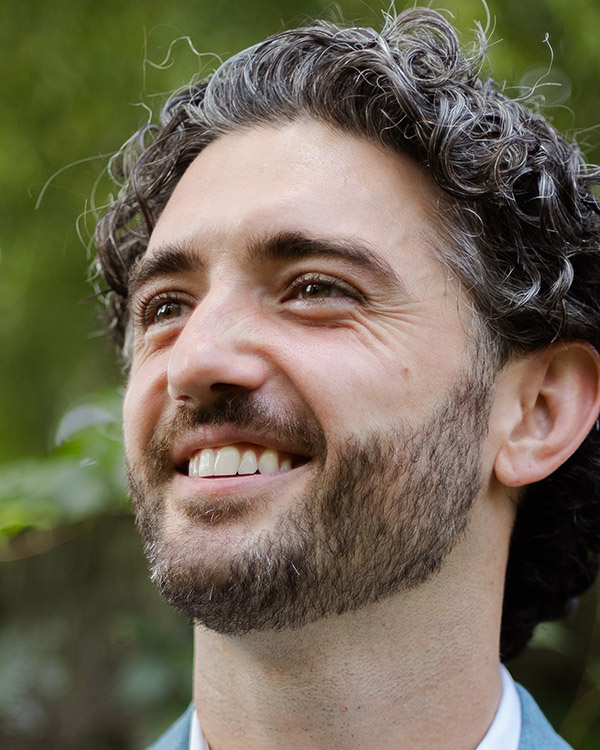
Q1. What are the three most important things you intend to accomplish in your first year as governor, and how will Tennesseans be able to measure whether you succeeded?
My platform has five commitments. The three I’d move first: climate action, economic wellbeing, and public accountability.
First, I’d create the Tennessee Green Bank and Renewable Power Authority. The Bank finances home and community solar and weatherization, and the Authority manages the buildout so homes, farmers, and counties generate their own power. Year-one measure: the Bank is capitalized with $100 million, and the Authority is chartered.
Second, I’d create the Future Families Fund, an investment account seeded with $1.25 billion of our surplus and fed by a cannabis tax and taxes on extreme wealth transfers, paying for children’s healthcare, child care, and public school programs. Year-one measure: the seed is deposited and the legislation to feed it has had its votes, on the record.
Third, I’d create the Office of Civic Design, which randomly selects Tennesseans, paid like jurors, to tell the legislature what to focus on now and ten years out. Lawmakers must respond publicly within 90 days. Year-one measure: the office exists and the first panel is seated.
Every policy in The Volunteer Plan is costed and scheduled. I’ll publish an annual report card. Hold me to it.
Q2. School vouchers. Tennessee’s Education Freedom Scholarship program, which began in 2025, uses state money for private-school tuition. Would you expand it, keep it as it is, scale it back or repeal it? How would you make sure Blount County’s three public school systems (Blount County, Maryville City and Alcoa City) are not harmed financially, and what results would tell you whether the program is working?
I’d repeal it and put the money back into public schools like the one I attended in middle Tennessee. Taxpayers shouldn’t subsidize private education businesses or elite educations for families who can already afford them. Every dollar of the $303 million goes to what teachers say they need most: counselors, social workers, and free school meals where needed.
For Blount County, Maryville City, and Alcoa City, the protection is the repeal itself. The money flows back through the state funding formula, so all three systems gain. I’m also the only candidate with a plan to raise school funding through the Future Families Fund, an investment account seeded with $1.25 billion of our surplus and fed by a cannabis tax and taxes on extreme wealth transfers, whose dividends fund early childhood programs in public schools, so one generation’s success guarantees the next.
I’m hesitant to compare private and public schools on tests alone. Schools in wealthy areas perform better because learning is easier when housing and food are secure. All schools should test to track their own performance, but I wouldn’t tie funding to scores. Funding should be based on need, and schools that perform worse need more money, not less.
Q3. Housing. Blount County is one of the fastest-growing counties in East Tennessee, and many younger adults who grew up here can no longer afford to buy, or even rent, a home in the county. What specific state actions would you take to increase the supply of homes that young workers and families can afford, and what role should the state play in local zoning, impact fees and short-term rentals?
Prices are high for many reasons, but the one we control most is supply.
First, I’d build a library of pre-approved building plans, adaptable for each county, with guaranteed faster permitting. Delays raise costs, so cutting approval time means we build more for less. Second, I’d pass zoning reform so willing communities can build housing types that aren’t currently allowed and fit more people on the same land. For renters, I support just-cause eviction and legal counsel for low-income tenants facing eviction. Lastly, I’d put as much of the state’s housing money as possible into community land trusts, which sell and rent below-market homes and keep them affordable permanently, regardless of market swings. Investing this way stabilizes the market over time.
The state’s job is to set floors and fund them, not overrule locals. On zoning, the state should legalize more housing types and let counties go further. On impact fees, counties should be able to charge new development for the roads and schools it requires, so long as fees aren’t a back door to blocking affordable housing. On short-term rentals, I personally think they need reining in, but I live in Nashville. Blount County should set its own rules.
Q4. Cost of living. Beyond housing, younger Tennesseans point to groceries, child care, utilities and insurance as the costs squeezing them hardest. Name the two or three state-level changes you would make first to bring those costs down, including whether you would cut the state sales tax on groceries, and explain how you would pay for them.
Groceries first. I’d phase the state’s 4% grocery tax to 0% over three years, saving families over $400 annually, paid for by requiring worldwide combined reporting and restoring the franchise tax base the legislature gave away in 2024. In 2022, 95 corporations with over $1 billion in income paid nothing in Tennessee excise tax. That reform raises an estimated $539 million to $1.3 billion a year against the grocery tax’s $886 million. If it comes in low, schools are held harmless.
Second, child care for working families. The Future Families Fund, seeded with $1.25 billion of our surplus and fed by a cannabis tax and taxes on extreme wealth transfers, could pay for child care subsidies for families earning up to $99,000 and children’s medical, dental, and vision care. About 200 of the wealthiest estates a year would pay in. The other 99% pay nothing.
Third, utilities and insurance. The Tennessee Green Bank would finance $100 million in home solar and weatherization loans, saving participants about $550 a year, more than the grocery tax. For health insurance, a state-run marketplace with reinsurance could cut premiums 10 to 15 percent and cap them at 5% of income for the lowest earners.
Q5. Data centers. Data centers are being proposed across Tennessee. Supporters point to investment and tax revenue; opponents point to electricity and water demand, noise, and the cost of new power generation. Should the state offer incentives to attract them? What rules, if any, would you set on their power and water use, on who pays for the generation and transmission they require, and on local governments’ authority to approve or reject them?
We’ll get plenty of data center interest without incentives. Data centers have asked TVA for roughly 11,000 megawatts, five times our state’s load, powered by gas, coal, and nuclear, and offering few permanent jobs, higher bills, and no voice for neighbors. They don’t need our money, they need to meet our standards.
I’m the only candidate with a five-policy plan to make data centers safe for Tennesseans. It pauses new facilities of 1 megawatt or more for up to 24 months while Tennessee passes statewide standards and stands up an Environmental Justice Division in TDEC that can deny permits pushing a community past safe limits and shut down unpermitted operations like xAI’s Memphis turbines.
Some of the standards: closed-loop cooling, quarterly public reporting, and no nondisclosure agreements with any unit of government. In a drought, households and farms come first. Data centers pay upfront for wiring and transmission and match 110 percent of their consumption with new clean generation. Fall short and they pay a rising charge per megawatt-hour.
The state sets the floor, counties go stricter. When Bradley County was sued for keeping data centers 3,000 feet from schools, I stood with the county. As governor, the state’s lawyers would too.
Q6. Abortion. Tennessee bans nearly all abortions. Would you support any change to the current law, such as added exceptions, further restrictions, or no change at all? Please state your position plainly.
Yes, I’d change the law. To Tennesseans of every politic and faith: most of us want the same thing, fewer abortions and healthier families. I’m an engineer. I look at data. Bans don’t get us there. National abortion numbers rose after Roe v. Wade fell. So what do we do about it?
According to the data, what works is preventing unintended pregnancy and supporting families so they can have a baby with confidence. Proven measures include contraception access, comprehensive sex education, and the healthcare, childcare, and wages that mean no one feels abortion is their only option.
Six in ten women who seek an abortion are already mothers. They’re not running from bad decisions, they’re making the hardest medical decisions of their lives with their doctor, and the legislature in the room doesn’t help. It sets a dangerous precedent for what the government may know about your life and when it can intervene.
I’d repeal the laws that make pregnancy more dangerous for mothers and babies, and add exceptions for the mother’s life and health, rape, incest, and fatal fetal diagnoses, so doctors can treat patients without a lawyer in the room. I would not sign further restrictions.
I’ll measure success by fewer abortions and fewer maternal deaths, not by how many doctors we’ve threatened with prison time.

Q1. What are the three most important things you intend to accomplish in your first year as governor, and how will Tennesseans be able to measure whether you succeeded?
Investment into public education and teacher compensation. Success will be measured by student achievement and teacher retention.
Expand mental health care statewide. Success will be measured by reduction in emergency care mental health issue, decrease in suicide rates, increase in licensed mental health providers.
Address root causes of poverty and homelessness. Success will be measured by increase in jobs, increase in trade and technical apprenticeship completion rates, lower percentage of homeless students, lower homelessness rates in our larger cities and rural areas.
Q2. School vouchers. Tennessee’s Education Freedom Scholarship program, which began in 2025, uses state money for private-school tuition. Would you expand it, keep it as it is, scale it back or repeal it? How would you make sure Blount County’s three public school systems (Blount County, Maryville City and Alcoa City) are not harmed financially, and what results would tell you whether the program is working?
Serving in public education for 40 years, I 100% support public education and would limit and/or cut school vouchers. I would do my best to bring back the lost funds in public education.
Q3. Housing. Blount County is one of the fastest-growing counties in East Tennessee, and many younger adults who grew up here can no longer afford to buy, or even rent, a home in the county. What specific state actions would you take to increase the supply of homes that young workers and families can afford, and what role should the state play in local zoning, impact fees and short-term rentals?
Support to aid infrastructures. Use state grants to cover utility and road build outs for housing developments.
Expand 1st time home buyer support. Enhance down payment assistances.
Promote education opportunities for trades needed in home building. State government can assist in home production by passing down authority to local governments for zoning, impact fees and short term rentals.
Q4. Cost of living. Beyond housing, younger Tennesseans point to groceries, child care, utilities and insurance as the costs squeezing them hardest. Name the two or three state-level changes you would make first to bring those costs down, including whether you would cut the state sales tax on groceries, and explain how you would pay for them.
I support looking at reducing sales tax on groceries. Our lower income families pay a higher percentage of their income on groceries.
I will look at ways to expand private child care and faith based providers.
I will call for greater competition and transparency within our insurance industry.
Ways to pay included cutting administrative cost in state government, prioritizing core state obligations.
Q5. Data centers. Data centers are being proposed across Tennessee. Supporters point to investment and tax revenue; opponents point to electricity and water demand, noise, and the cost of new power generation. Should the state offer incentives to attract them? What rules, if any, would you set on their power and water use, on who pays for the generation and transmission they require, and on local governments’ authority to approve or reject them?
Data centers would fall completely under local government control. No community in Tennessee would be required to host a data center nor required to take on any cost.
Q6. Abortion. Tennessee bans nearly all abortions. Would you support any change to the current law, such as added exceptions, further restrictions, or no change at all? Please state your position plainly.
I am a Christian that believes life begins at conception. But I also believe as a Christian, I should have a heart for women who deal with difficult circumstances. During my travel to all 95 Tennessee counties, I heard stories that contained very unique circumstances dealing with young Tennessee females. I can’t imagine trying to navigate those circumstances. I believe abortion should be available for females in Tennessee but with guardrails and cut off dates.