
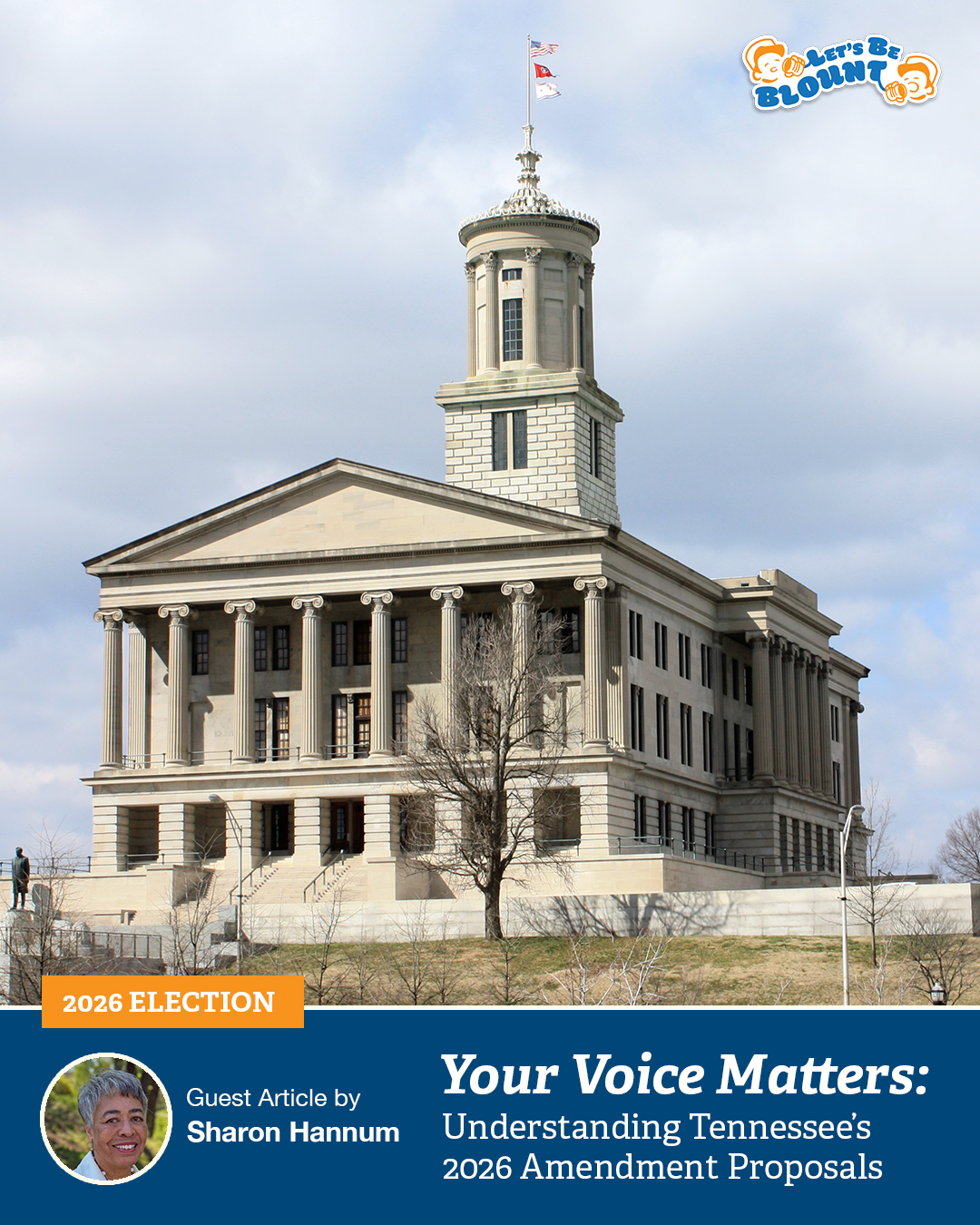
I speak often about service…not just the act of service, but serving from the heart. Some serve out of duty and obligation, some out of the desire for recognition and some serve halfheartedly…because that is how they do all things.
Personally, I serve out of passion. I am motivated by a true desire to champion the underdog (having been counted as one myself for much of my life), but for whatever your reason…service is important and voting is an act of service. This act of service can and does impact your individual life, your family, your community and even your church if you are of the faith community.
But no matter what your station in life may be, whether single or the head of a family, voting is important to everyone and your voice matters.
Every election gives us a chance to be heard, from local school board races to national contests. Our votes help shape the policies, budgets and leadership that touch our daily lives.
I encourage you to learn something new or reignite something in your life that will motivate a better turnout for every election…especially local elections that impact your daily lives more directly.
There are four things that I practice, no matter what decision or action I am wrestling with… and they are Pray, Discover, Dream and Do. I pray for knowledge, understanding and wisdom of God’s direction for my life and actions. So that I can more rightly discover, dream and do. In discovering, I seek to find out as much as possible about the issue that I am considering. In dreaming, I take time to think about how it does or will impact my everyday life or the lives of others! In doing…I take action. I create something, help out with something already being done, make a noise, do a bit of research, stir things up, or in general make myself useful.
I do not presume here to tell anyone what to do, or even to do as I do. What I do want to impart is that it is vitally important to know that your voice matters and so does everyone else’s.
So, on November 3, 2026, after careful consideration of the proposed amendments to the State Constitution, cast your vote to endorse or reject changes regarding:
Bail – Amendment #1. A state property tax – Amendment #2. Crime victims’ rights – Amendment #3.
To help everyone understand the choices, here is a brief summary. These are changes to our Constitution, so I encourage you to consider both their purpose and their lasting effects.
The amendments are listed directly after the candidates for governor. Each proposed amendment is a YES or NO question:
A YES vote is a vote to amend the Constitution and adopt the language in the proposed amendment.
A NO vote is a vote to keep the current language in the Constitution unchanged.
For each amendment to pass, it must receive more YES votes than NO votes, AND its YES votes must exceed half of all votes cast for all candidates for governor combined. If 2 million votes are cast for governor, an amendment needs at least 1,000,001 YES votes, as well as more YES than NO votes. Your amendment vote counts even if you do not vote for governor. Voting for governor affects the statewide threshold; it is not a requirement for your amendment vote to count.
Amendment number one would expand the exceptions to the right to bail before trial. Today, Article I, section 15 permits denial for capital offenses when the proof is evident or the presumption great. The amendment would also cover terrorism, second degree murder, aggravated rape of a child, aggravated rape, grave torture, and other offenses requiring at least 85% of the sentence to be served under the law as of November 3, 2026.
A YES vote would allow, but not require, denial of bail in these cases when that same evidence standard is met. An accusation alone would not satisfy it. Judges or magistrates would have to record their reasons for granting or denying bail. A NO vote would keep the present constitutional protection.
Supporters see a way to protect people from serious danger before trial. A competing concern is that someone presumed innocent could spend months in jail, losing work or family stability before guilt is decided, while counties bear added costs. Ordinary laws can address bail procedures and lawful release conditions, but cannot override the existing constitutional right to bail. Expanding these exceptions requires a constitutional amendment.
Amendment number two would prohibit a STATE property tax on real, personal, or mixed property under Article II, section 28. Tennessee has not collected a state property tax since 1949. The proposed ban would apply to property owned by individuals and corporations alike. A YES vote would add a constitutional ban; a NO vote would preserve the legislature’s authority to enact one, without creating a tax. County and city property taxes would remain.
Supporters want lasting protection against an additional property-tax bill for homeowners and businesses. A competing concern is that removing a future revenue option could increase pressure for other taxes or service cuts during hard times. Lawmakers can continue without a state property tax, or restrict one by ordinary law, but a later legislature could change that law. A constitutional ban could be reversed only through another constitutional change.
Amendment number three would replace Article I, section 35, which already protects crime victims. A YES vote would clarify and expand those rights in criminal and juvenile proceedings; a NO vote would retain existing constitutional rights. The proposal includes fair treatment for safety and dignity, fuller parole participation, protection from abuse, full and timely restitution, and information about minimum time in custody and scheduled release. Several notice and participation rights would require a victim’s request.
Victims could assert their rights without becoming parties to the case, through procedures set by law. Safety of the victim, family, and public would have to be considered before parole or other post-judgment release; that provision is not a veto over release. The text preserves everyone’s due process, prosecutorial powers, and courts’ inherent authority. It creates no basis to vacate a conviction and generally bars damages claims against government. Supporters want victims reliably heard and protected. A competing concern is that expanded procedures may require more staff and time, and courts must balance victims’ participation with the accused person’s fair trial. Ordinary laws can strengthen victim services, notice, and participation within constitutional limits. Only an amendment can place the expanded rights themselves in the Constitution.
As I pray, discover, dream and do, I also ask whether a policy needs constitutional permanence. Ordinary laws are easier to adjust as experience teaches us; constitutional protections are harder for future lawmakers to weaken, but also harder to repair. My purpose is not to tell anyone HOW to vote, but to help us consider how each choice may affect people’s lives. Even small changes in turnout can shift the balance on issues.
We all have a reason to vote, a right to vote and a responsibility to vote…my prayer is that every citizen eligible will not give up these rights but will be steadfast and resolute in the knowledge that our voice matters…and take action, vote now!
Official sources checked October 22, 2026: 2026 ballot wording and voting threshold; Tennessee Constitution; State property-tax history.